

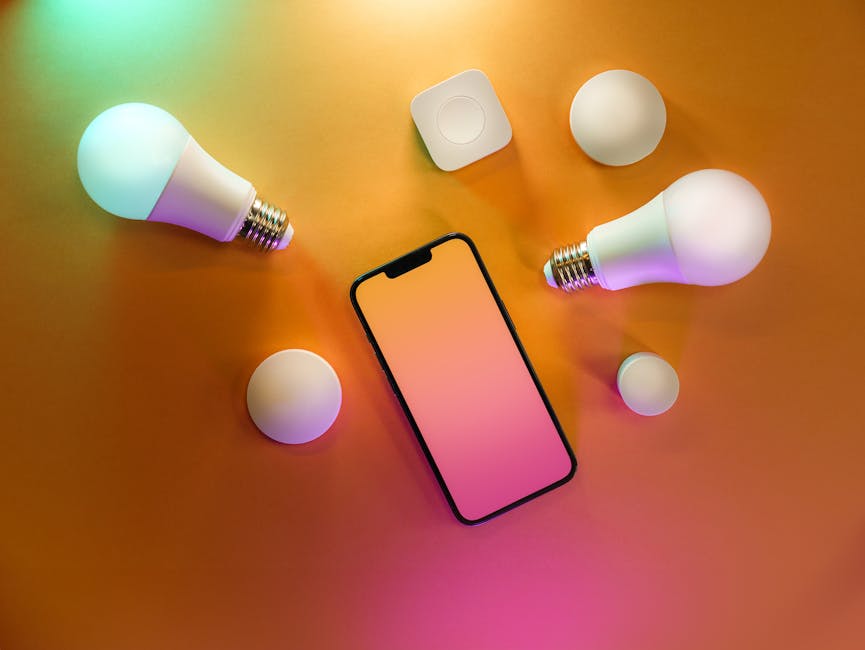
A real-world evaluation in Lancashire and South Cumbria reported a reduction in falls after AI-enabled smart lights were introduced across dozens of residential and nursing homes.
The system combines automatic lighting with movement detection and staff alerts. According to the independent evaluation led by Lancaster University, falls fell by around 32%, while ambulance call-outs and response times also improved.
Those findings are encouraging, but they should not be interpreted as proof that the lights alone caused every observed improvement. The programme was implemented in routine care settings rather than as a randomised controlled trial, and changes in staffing, resident mix or other falls-prevention measures may also influence outcomes.
The main value of the evaluation is that it shows how environmental design, rapid staff notification and incident data can potentially complement established falls-prevention measures. Care homes considering similar technology still need to assess privacy, staff workflow, cost and the needs of individual residents.
Sources: NHS Lancashire and South Cumbria ICB; Lancaster University.