


Hannah Pearce

What Old Cookbooks Reveal About Healthy Eating
Open a cookbook from the early seventeenth century, and you are immediately struck by how little it resembles a modern…

Why Fasting Appears in So Many Religious and Medical Traditions
When looking across the historical record of human societies, one practice appears with striking regularity: the intentional withholding of food.…
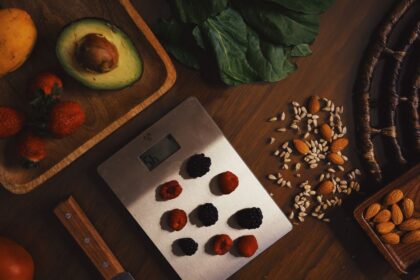
How the Word ‘Diet’ Changed From a Way of Life to Food
Language evolves alongside human habits, shifting meanings to reflect cultural priorities, medical discoveries, and social structures. Few everyday terms c...

Why 18th Century Sailors Feared a Mysterious Illness Science Later Explained
For centuries, long-distance maritime exploration was accompanied by an invisible and dreaded passenger. While storms, hostile encounters, and navigational...

How Stanford Helped Establish Modern Sleep Medicine
Stanford played an important role in the emergence of clinical sleep medicine, but the field grew through contributions from many…

Why Humans Often Prefer Energy-Dense Foods
Preferences for sweet and energy-dense foods reflect biology, learning and food environments; simple evolutionary stories can overstate what is known.

How REM Sleep Changed the Scientific Study of Dreaming
REM sleep gave researchers a measurable physiological state strongly associated with vivid dream reports, but dreaming is not confined to…

How Sleep Became a Modern Scientific and Clinical Field
From EEG and REM research to circadian biology, sleep science developed through multiple discoveries rather than one single breakthrough.