

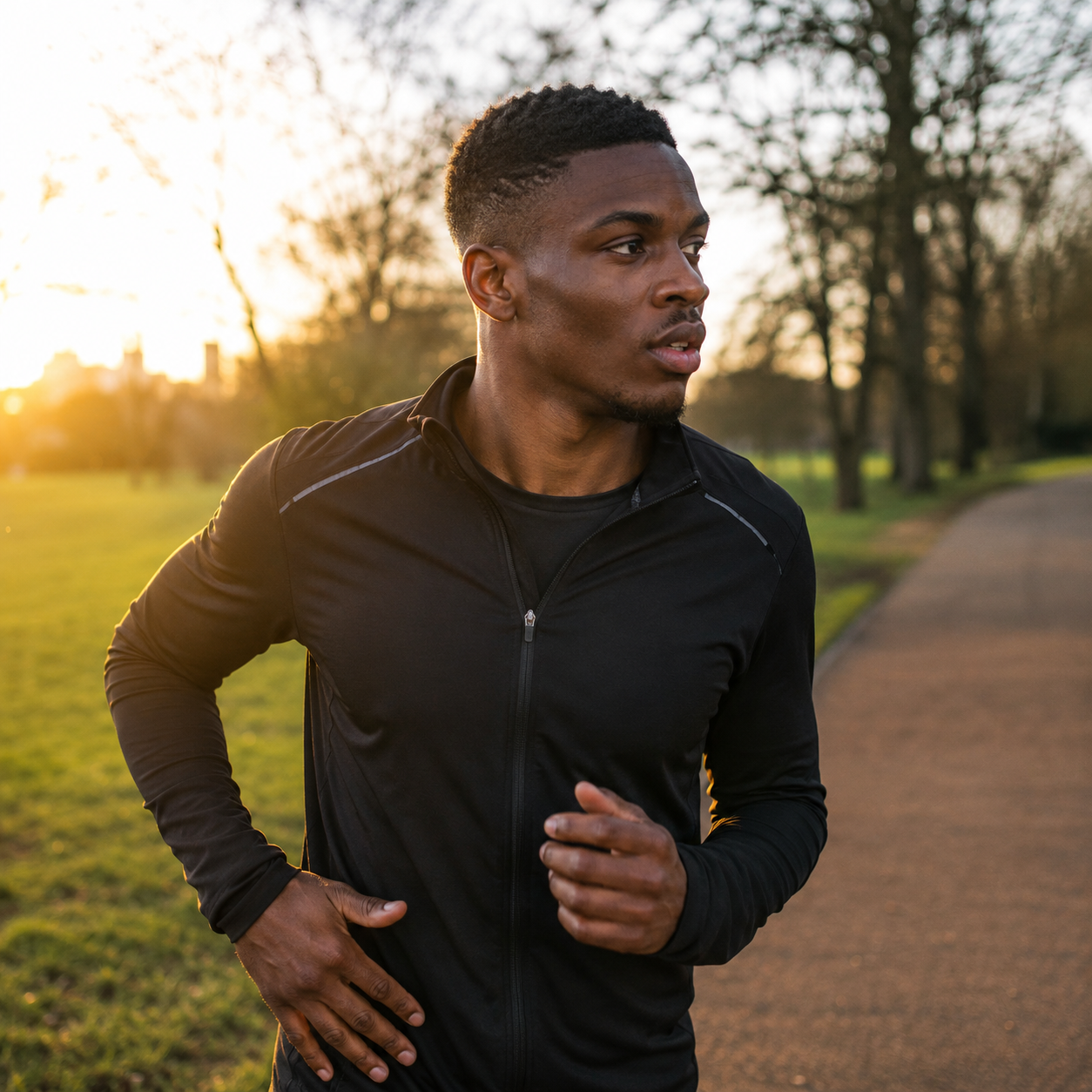
Marcus Iwu
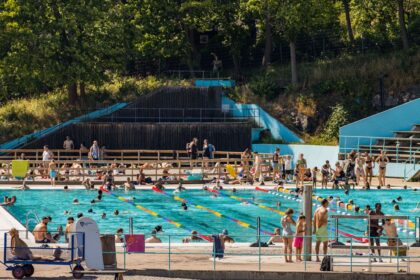
Why Britain Built Public Swimming Pools
This article examines the history of the public swimming pool, tracing how municipal authorities in the UK transitioned from providing…

Why Twin Studies Matter in Health Research
This piece examines the historical origins of twin research, explaining how scientists began comparing identical and non-identical pairs to untangle…
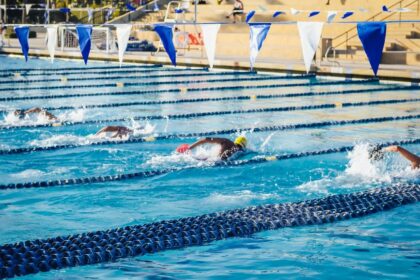
How Competitive Swimming Became an Olympic Sport
This article examines the historical trajectory of how competitive swimming transitioned from regional recreational pastimes into a staple discipline of…

How the Marathon Became a Modern Endurance Event
This piece examines the historical trajectory of the marathon, separating foundational myth from the institutional decisions that shaped it into…

How the Stethoscope Changed Clinical Examination
This article examines the origins of the stethoscope, tracing how a piece of rolled-up paper evolved into an essential piece…
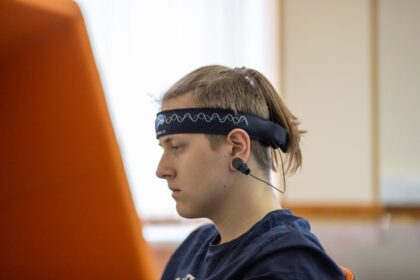
How Elite Athletes Helped Shape Exercise Physiology
The modern relationship between elite performance and laboratory research may feel like a recent phenomenon, but the curiosity surrounding how…
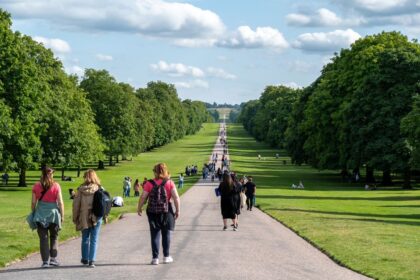
Why Organised Walking Grew in Victorian Britain
Rail travel, leisure time, urbanisation and access campaigns all helped organised walking grow in nineteenth-century Britain.
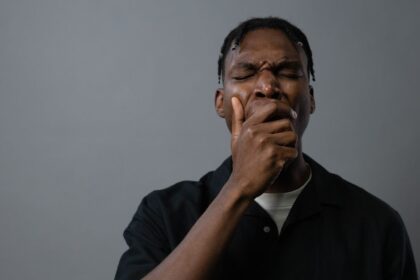
Why We Yawn Is Still an Open Scientific Question
Yawning is common and contagious in many people, but proposed explanations involving brain temperature, arousal and social behaviour remain under…