

Researchers are exploring whether bacterial cells or bacterial-derived materials can bind microplastics under experimental conditions. That is a potentially useful research direction, but it is a long way from demonstrating that a supplement can safely remove microplastics from the human body.
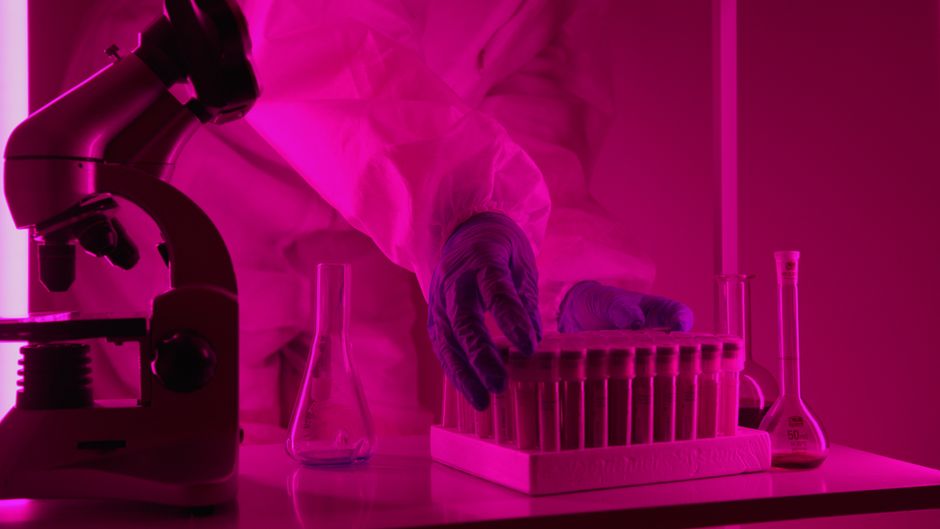
Binding in a laboratory is not detoxification in humans
Experiments may show that particular cell surfaces interact with synthetic particles in a test system. Human digestion is far more complex. A material must survive the gastrointestinal environment, reach the relevant particles, avoid unintended biological effects and produce a measurable clinical benefit before it could reasonably be described as a treatment or preventive intervention.
The original article described a future ‘supplement’ as though a practical product were already close. That conclusion goes beyond what preclinical binding experiments can establish.
What we still do not know
Research on human exposure to microplastics is developing rapidly, but important questions remain about measurement, dose, particle size, routes of exposure and the clinical significance of particles detected in tissues. The presence of microplastics in a sample does not by itself establish that a particular disease was caused by them.
For the same reason, there is currently no basis in this study for recommending bacterial products, probiotics, ‘detox’ regimens or dietary changes to remove microplastics from the body.
How to read emerging environmental-health research
The most useful questions are: Was the work done in a test tube, an animal or humans? Was the material living or non-living? Was microplastic binding merely measured, or was a health outcome improved? Has the result been independently replicated? Those distinctions determine how far a finding can reasonably be translated.
This article discusses early-stage research and does not recommend any supplement or method for removing environmental contaminants from the body.