


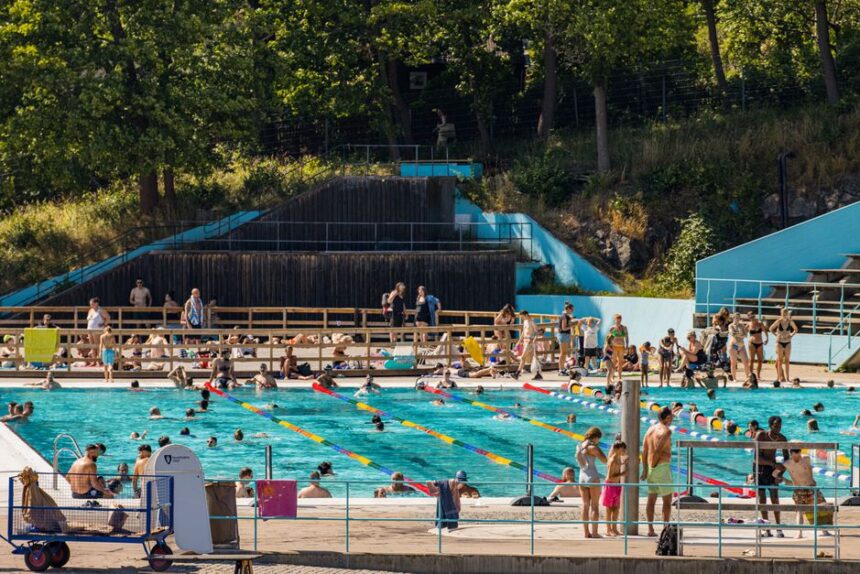
This article examines the history of the public swimming pool, tracing how municipal authorities in the UK transitioned from providing basic washing facilities to constructing large-scale civic swimming baths. Rather than focusing on elite competition, the emphasis here rests on local government investment, public health policy, and the practical challenges of widening access to water for urban populations.
Fitness needs and physical activity habits vary significantly by individual circumstance, medical history, and local infrastructure. Readers considering new physical routines or assessing community facility safety should consult a qualified professional or local authority guidelines before participating.
From Public Baths to Municipal Swimming
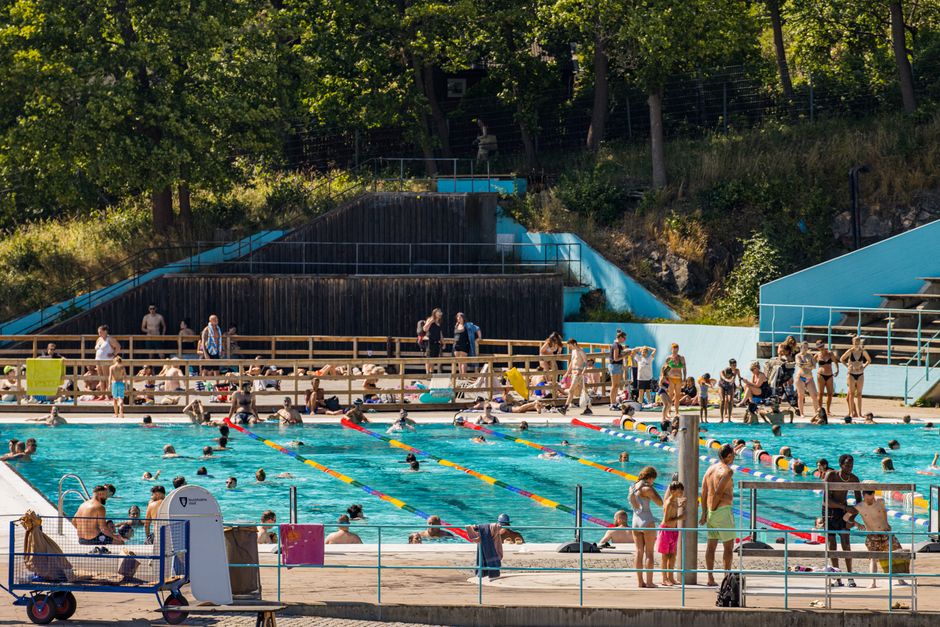
During the early and mid-nineteenth century, British towns and cities faced severe overcrowding and sanitation issues driven by rapid industrialisation. Parliament passed the Public Baths and Wash-houses Acts of 1846 to encourage local authorities to provide facilities where working-class residents could wash clothes and maintain personal hygiene. These early structures were primarily utilitarian. They featured small plunge baths designed for cleansing rather than recreation or structured physical training.
Over subsequent decades, municipal priorities shifted. Local councils recognised that urban residents required spaces for physical exercise and recreation, not just basic sanitation. Engineers began designing larger, purpose-built pools funded through local rates. This period laid the groundwork for a distinct shift in urban design, aligning with civic movements that also influenced shared exercise spaces across the country during the same era.
Civic Investment and the Victorian Blueprint
Building a municipal pool required substantial capital investment from town councils. Architects and surveyors designed imposing brick and terracotta bathhouses, often featuring ornate facades that reflected civic pride. Inside, these facilities typically separated bathers by class and gender, maintaining strict social hierarchies common to Victorian institutions.
Key features of nineteenth and early twentieth-century municipal bathhouses included:
- Separate first-class and second-class swimming halls with differing fee structures and changing amenities.
- Open-air or glass-roofed indoor designs to maximise natural light and ventilation in densely packed urban areas.
- Engineered filtration and water-change systems that evolved slowly as public health standards improved.
- Adjoining laundry facilities that shared boiler rooms and water heating infrastructure to reduce municipal operating costs.
These architectural choices demonstrate that municipal pools were intended as permanent fixtures of civic infrastructure, designed to serve entire communities over generations rather than cater to temporary recreational fads.
Widening Public Access and Social Reform
By the early twentieth century, public swimming pools had become central to local social policy. Reformers argued that regular access to swimming instruction could reduce accidental drowning rates and improve general physical endurance among industrial workers. Schools began incorporating swimming lessons into weekly timetables, partnering with municipal authorities to use local baths during off-peak morning hours.
This expansion of access shifted public perception. Swimming was no longer viewed merely as a survival skill or an elite pastime, but as a standard civic amenity available to all ratepapers. Local authorities published strict bylaws governing pool etiquette, costume requirements, and water safety, reflecting a paternalistic approach to public health management that characterised local government at the time.
The Post-War Boom and Modern Facility Management
The post-Second World War era brought another wave of pool construction. As part of post-war reconstruction and the expansion of the welfare state, local councils built modern, simplified leisure centres that replaced ageing Victorian bathhouses. These newer facilities often integrated swimming pools with sports halls and community rooms, reflecting a broader evolution in how local government managed physical recreation.
Maintaining these community assets presented ongoing financial and logistical challenges for local authorities. Water treatment standards became more rigorous following public health directives, requiring significant upgrades to filtration and chemical dosing systems. Historical archives, such as those maintained by Historic England, document how these municipal structures evolved from utilitarian washing stations into complex leisure facilities.
Understanding the history of municipal swimming facilities highlights the long-standing role of local government in shaping public access to physical activity. To explore further topics related to fitness history and community health initiatives, you can reach out via the contact page.