
London Health JournalLondon Health JournalLondon Health Journal
  • Home
  • Health News
  • Wellness
  • Research
  • Fitness & Movement
  • Mental Health
  • Nutrition
  • Interviews
Font ResizerAa
London Health JournalLondon Health Journal
Font ResizerAa
  • Home
  • Health News
  • Wellness
  • Research
  • Fitness & Movement
  • Mental Health
  • Nutrition
  • Interviews
Search
  • Home
  • Health News
  • Wellness
  • Research
  • Fitness & Movement
  • Mental Health
  • Nutrition
  • Interviews
Home » How Elite Athletes Helped Shape Exercise Physiology
Fitness & Movement

How Elite Athletes Helped Shape Exercise Physiology

Marcus Iwu
By Marcus Iwu
26 July 2026
Why Early Olympic Athletes Became Subjects of Scientific Study
SHARE

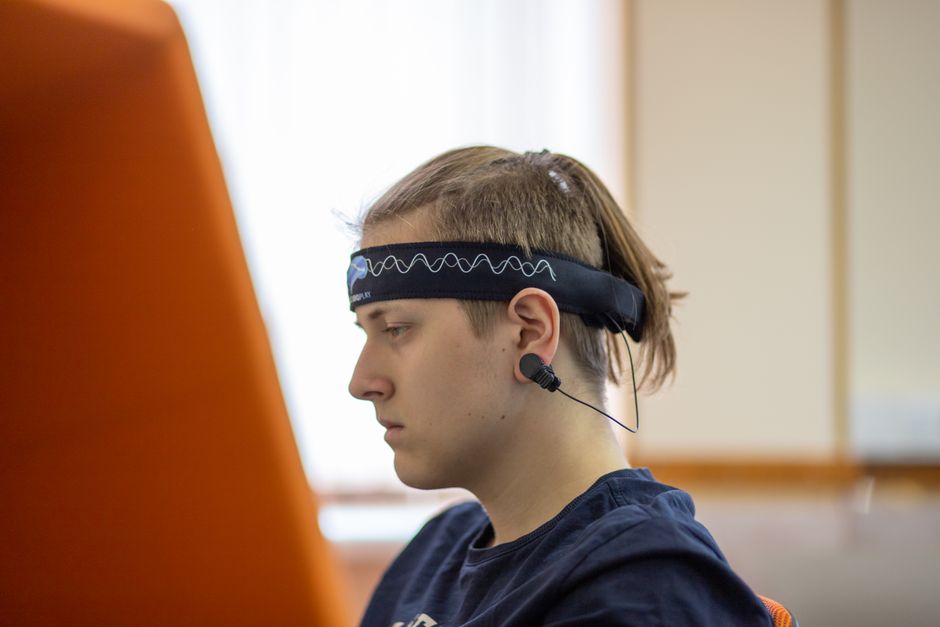
As organised sport expanded in the late nineteenth and early twentieth centuries, physiologists gained new opportunities to study people performing at unusually high levels of endurance, speed and strength. Elite athletes became one part of a wider effort to measure how the body responds to exercise.
Why Early Athletes Were Studied by Scientists

From observation to measurement

Researchers increasingly used tools that could measure breathing, heart rate, blood chemistry and energy expenditure. Laboratories devoted to fatigue and exercise physiology helped move the subject away from broad assumptions about stamina and character toward measurable physiological responses.

Athletes were useful research participants because competition and training created repeatable examples of sustained or intense physical effort. But early studies were often small, overwhelmingly male and limited by the measurement technology of their time.

What those studies could not tell us

Findings in elite athletes cannot automatically be applied to the general population. Competitive athletes differ in training history, selection, health status and physical capacity. Modern public-health activity guidance therefore comes from a much broader evidence base than studies of elite performance.

The historical importance of athlete research lies in the development of exercise physiology as a measurable scientific field—not in the idea that elite training provides a blueprint for everyday health.


Share This Article
Facebook Copy Link Print
ByMarcus Iwu
Marcus competed as a club-level sprinter through his twenties before a recurring injury pushed him toward coaching, and eventually toward writing about the science behind movement rather than just doing it. He spent three years working as a strength and conditioning assistant before moving into health journalism. His writing sits at the intersection of fitness culture and public health guidance — he is particularly interested in where popular fitness trends align with evidence and where they diverge from it. He lives in Birmingham, still trains most days out of habit more than ambition, and has strong but generally unwelcome opinions about stretching.

Fast Four Quiz: Precision Medicine in Cancer

How much do you know about precision medicine in cancer? Test your knowledge with this quick quiz.
Get Started
NHS Rolls Out One-Minute Pembrolizumab Injection for Eligible Cancer Patients

NHS England is rolling out a subcutaneous form of pembrolizumab that can…

Tinnitus: What It Is, What Can Help and When to Seek Advice

Tinnitus is the perception of sound without an external source. Management depends…

Martha’s Rule: How Escalation Calls Support Patient Safety

Martha’s Rule gives patients, families and staff routes to request urgent review…

You Might Also Like

Why Walking Became Britain's Most Popular Form of Exercise
Fitness & Movement

Why Walking Became Britain’s Most Popular Form of Exercise

By Marcus Iwu
The History of the Gym as a Public Space From Ancient Greece to Today
Fitness & Movement

How Shared Exercise Spaces Changed From Gymnasia to Modern Gyms

By Marcus Iwu
NHS Nurse Pioneers Campaign to Encourage Women's Cycling in East London
Fitness & Movement

East London Cycling Campaign Encourages More Women to Try Active Travel

By LHJ Editorial Team
Why Martial Arts Deserves a Place in Your Weekly Workout
Fitness & Movement

Martial Arts as Exercise: Benefits, Risks and What the Evidence Can Support

By Sophie Mercer
London Health Journal Logo Dark London Health Journal Logo Dark

Our mission is to make health information more accessible, balanced, and easier to understand for everyday readers. We focus on evidence-informed reporting, emerging research, lifestyle trends, and practical wellness topics that shape modern life.

Company
  • About Us
  • Contact Us
  • Corrections Policy
  • Editorial Policy
  • Fact-Checking Policy
  • Medical Disclaimer
  • Privacy Policy
Quick Links
  • Fitness & Movement
  • Health News
  • Interviews
  • Mental Health
  • Nutrition
  • Research
  • Wellness

All rights reserved © 2026 | London Health Journal 

Welcome Back!

Sign in to your account

Username or Email Address
Password

Lost your password?