

London Health JournalLondon Health JournalLondon Health Journal
  • Home
  • Health News
  • Wellness
  • Research
  • Fitness & Movement
  • Mental Health
  • Nutrition
  • Interviews
Font ResizerAa
London Health JournalLondon Health Journal
Font ResizerAa
  • Home
  • Health News
  • Wellness
  • Research
  • Fitness & Movement
  • Mental Health
  • Nutrition
  • Interviews
Search
  • Home
  • Health News
  • Wellness
  • Research
  • Fitness & Movement
  • Mental Health
  • Nutrition
  • Interviews
Home » How Climate Change Could Shift Malaria Risk Across Africa
Health News

How Climate Change Could Shift Malaria Risk Across Africa

Sophie Mercer
By Sophie Mercer
2 August 2026
How Climate Shifts Might Redefine Malaria Risk Across Africa
SHARE

Climate change may alter where and when malaria transmission is possible, but the relationship is more complicated than a simple rule that warmer weather always means more malaria.
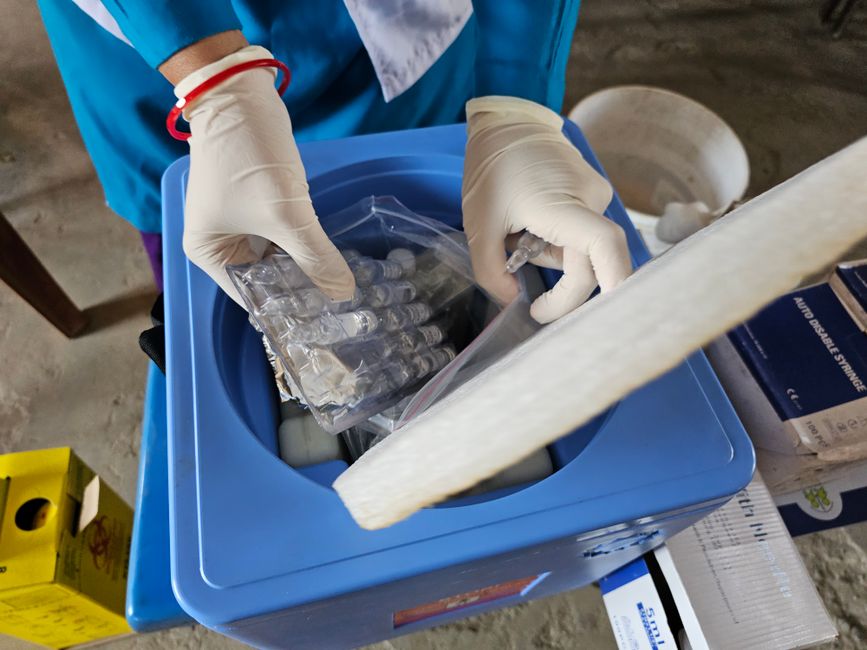
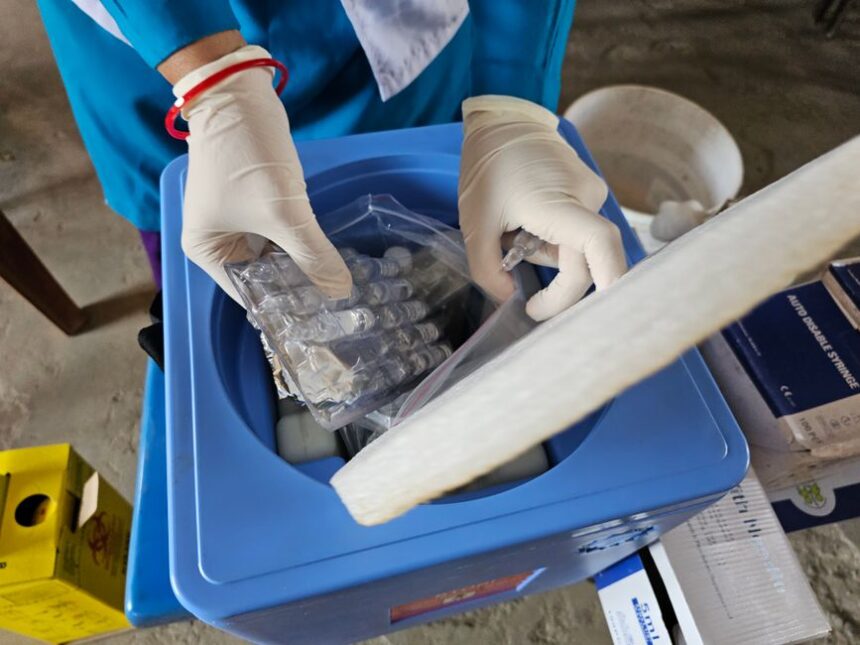
How Climate Shifts Might Redefine Malaria Risk Across Africa

Malaria is caused by Plasmodium parasites transmitted through infected Anopheles mosquitoes. Temperature, rainfall and humidity can influence mosquito survival, parasite development and breeding conditions, so changing climate patterns can alter the geography and seasonality of transmission.

In some places, warming may make conditions more suitable for transmission; in others, very high temperatures or changing rainfall could reduce suitability. WHO notes that evidence on the direct long-term effect of climate change on malaria transmission remains mixed and that areas at the margins of transmission may become either more or less suitable.

Higher-altitude areas are one concern because warming can create conditions that allow transmission in places that were previously cooler. But climate is only one part of malaria risk. Housing, access to prevention and treatment, health-system capacity, mosquito control, drug and insecticide resistance, conflict and population movement also matter.

For public-health planning, the practical lesson is not that malaria will simply move north, uphill or away from the hottest regions. It is that surveillance and prevention need to adapt to changing local conditions and uncertainty.

For further context, see the World Health Organization’s discussion of climate and malaria.

Share This Article
Facebook Copy Link Print
BySophie Mercer
Sophie Mercer focuses on feature stories, interviews, and editorial content exploring modern wellness, lifestyle trends, and public health conversations shaping everyday life.

Fast Four Quiz: Precision Medicine in Cancer

How much do you know about precision medicine in cancer? Test your knowledge with this quick quiz.
Get Started
NHS Rolls Out One-Minute Pembrolizumab Injection for Eligible Cancer Patients

NHS England is rolling out a subcutaneous form of pembrolizumab that can…

Tinnitus: What It Is, What Can Help and When to Seek Advice

Tinnitus is the perception of sound without an external source. Management depends…

Martha’s Rule: How Escalation Calls Support Patient Safety

Martha’s Rule gives patients, families and staff routes to request urgent review…

You Might Also Like

NHS App to Integrate AI for Streamlined Patient Service Navigation
Health News

NHS App AI Triage Rollout: What Is Planned by 2028

By LHJ Editorial Team
New Review Protocol to Map Occupational Therapy Support for Neurodiverse Children's Caregivers
Health News

Review Protocol Maps Occupational Therapy Training for Caregivers

By LHJ Editorial Team
Prostate Cancer: Understanding the Importance of Early Awareness for UK Men
Health News

Prostate Cancer Awareness: Symptoms, Risk and PSA Testing in the UK

By Amelia Hart
Managing Circadian Rhythms: Practical Ways to Ease Jet Lag
Health News

Jet Lag: What Helps Your Body Clock Adjust

By Amelia Hart
London Health Journal Logo Dark London Health Journal Logo Dark

Our mission is to make health information more accessible, balanced, and easier to understand for everyday readers. We focus on evidence-informed reporting, emerging research, lifestyle trends, and practical wellness topics that shape modern life.

Company
  • About Us
  • Contact Us
  • Corrections Policy
  • Editorial Policy
  • Fact-Checking Policy
  • Medical Disclaimer
  • Privacy Policy
Quick Links
  • Fitness & Movement
  • Health News
  • Interviews
  • Mental Health
  • Nutrition
  • Research
  • Wellness

All rights reserved © 2026 | London Health Journal 

Welcome Back!

Sign in to your account

Username or Email Address
Password

Lost your password?