


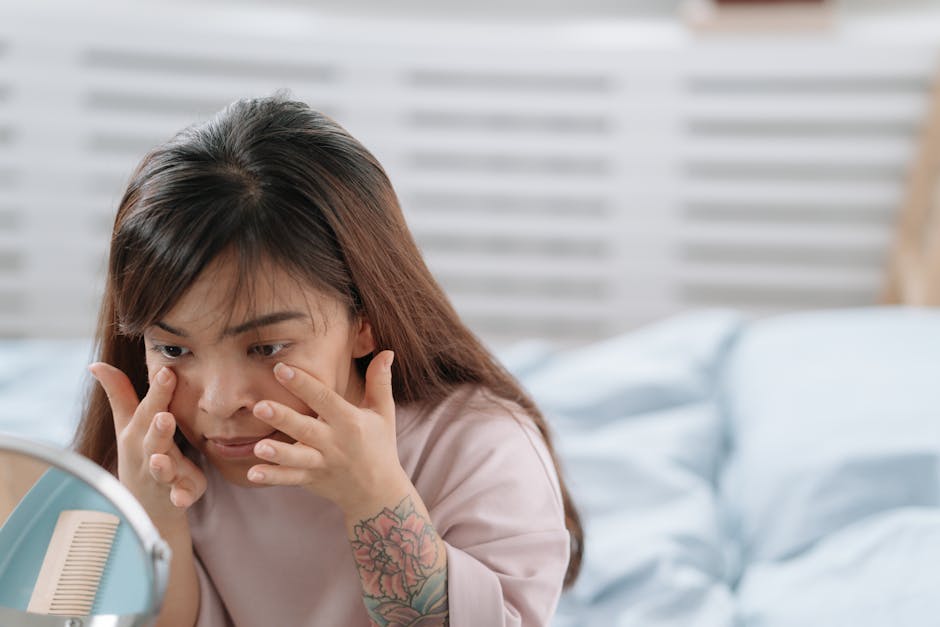
Social media has helped make elaborate skincare routines visible to much younger audiences. The main health concern is not that skincare itself is harmful, but that children and pre-teens may use multiple products or strong active ingredients without a clear need.
Young skin can be irritated by overuse of exfoliating acids, retinoids, fragranced products or repeated layering of treatments. More products do not necessarily mean healthier skin, and irritation or barrier damage can be mistaken for a need to add still more products.
There is also a psychological and commercial dimension. Content centred on “perfect” skin, anti-ageing and constant product purchasing can encourage unnecessary concern about normal features such as pores, texture or occasional blemishes. Terms such as “cosmeticorexia” appear in media discussion but are not a formal diagnosis and should not be used to label children.
For most children without a skin condition, simple cleansing, moisturising when needed and appropriate sun protection are more relevant than adult anti-ageing routines. Persistent acne, eczema, irritation or other skin problems should be discussed with a pharmacist, GP or qualified dermatology professional rather than treated through influencer-led routines.