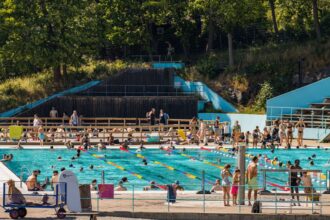


Ancient medical writers discussed movement, rest and regimen long before modern exercise physiology existed. Their observations are historically important, but they were framed through medical systems very different from contemporary anatomy, physiology and evidence-based practice.
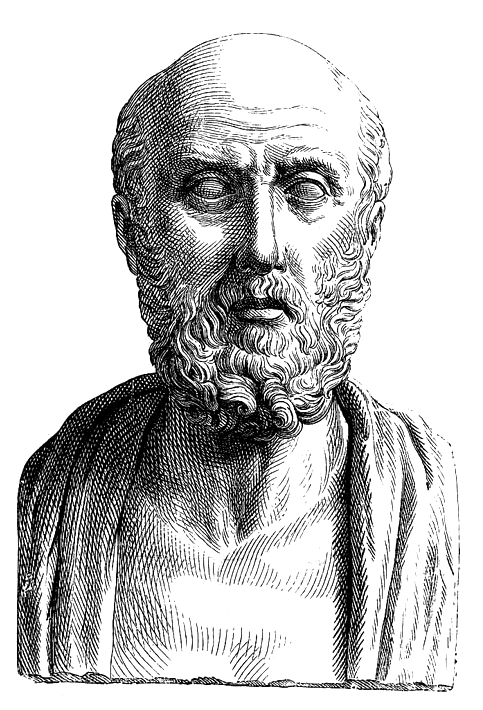
Greek and Roman medical traditions, among others, incorporated physical activity into broader ideas about regimen. Movement could be recommended according to age, constitution, season and perceived bodily balance. These recommendations were not based on modern measures of cardiovascular fitness, muscle physiology or disease risk.
Calling this “exercise science” can therefore be misleading. Modern exercise physiology developed much later through experimental measurement of respiration, circulation, metabolism, muscle function and performance.
Historical interest in movement nevertheless shows that physicians have long asked how activity and inactivity affect the body. The continuity lies in the question, not in the scientific explanation or prescription.