

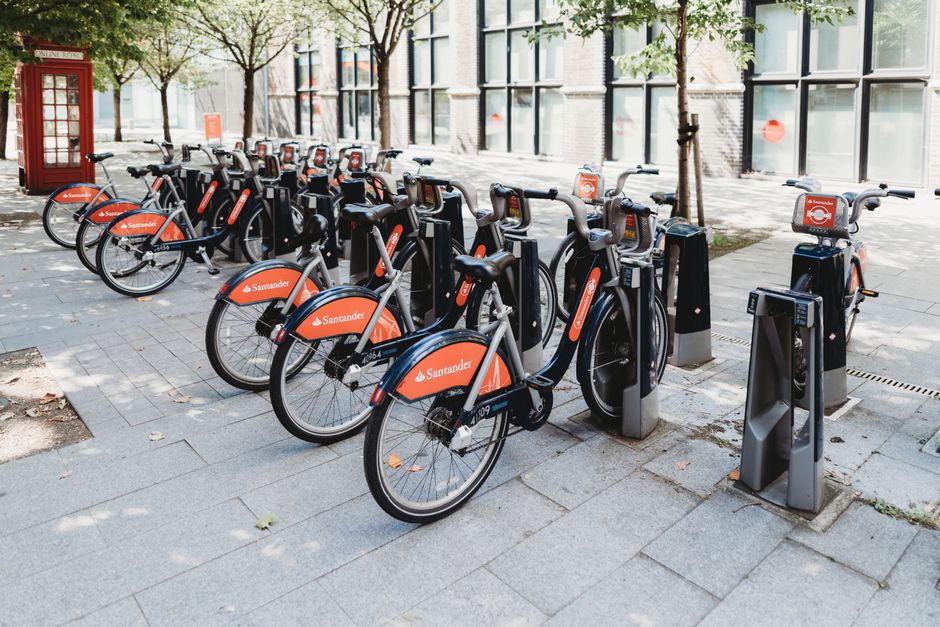
An East London active-travel campaign has highlighted the experience of NHS community nursery nurse Nelufa Aziz, who learned to cycle in her forties and later took on a cycle commute as part of a local challenge.
The value of the story is less about claiming that one campaign will transform health outcomes and more about the barriers that shape whether people feel able to cycle. Confidence, access to a bicycle, road safety, local infrastructure, time and cultural expectations can all influence participation.
Cycling can contribute to regular physical activity, but the health effects of active travel depend on frequency, intensity, individual health and the environment in which people ride. It should not be presented as a universal prescription.
Community campaigns can nevertheless make activity feel more accessible by providing practical support and visible role models. For beginners, gradual progression, suitable equipment and attention to road safety remain more useful than promotional claims about rapid fitness benefits.