

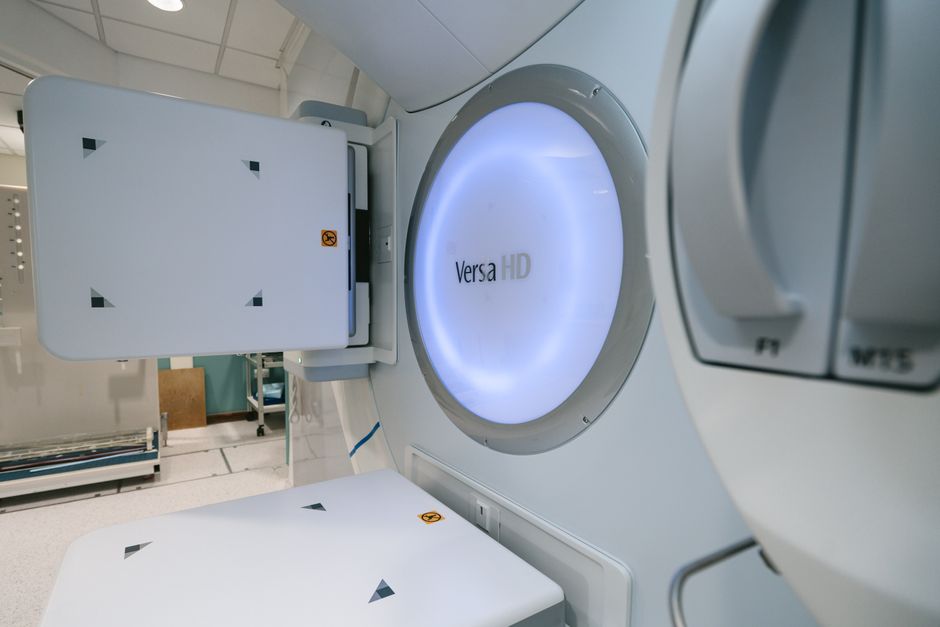
NHS England announced in June 2026 that stereotactic ablative radiotherapy (SABR) would become a routine treatment option for some adults with low- or intermediate-risk localised prostate cancer.
The key change is the number of treatment visits. SABR can typically be delivered in five doses over about two weeks, compared with at least 20 doses for standard external-beam radiotherapy. The earlier version of this article incorrectly described the new regimen as 20 sessions; that has been corrected.
SABR delivers highly focused radiation from multiple directions in order to concentrate the dose on the tumour while limiting exposure to surrounding tissue. It is not suitable for every person with prostate cancer. NHS commissioning criteria specify which patients may be offered it, including clinical risk and whether androgen-deprivation therapy is required.
The rollout is significant mainly because it can reduce the treatment burden for eligible patients while maintaining cancer control shown in clinical trials. It should not be described as universally more effective than other prostate-cancer treatments or as appropriate for all localised disease.
People considering radiotherapy should discuss the available options, expected benefits and possible side effects with their specialist cancer team.