

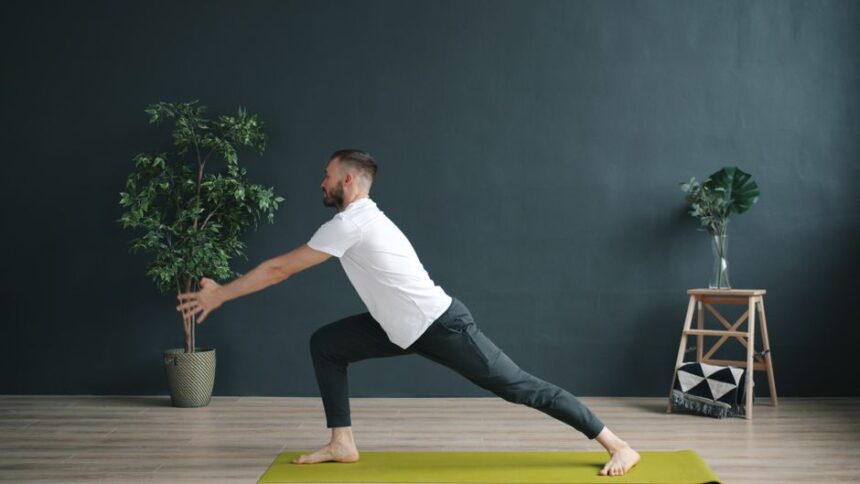
Step into any major street across London today, and you will likely find a studio offering a familiar sequence of stretches, breathwork, and mindfulness under the broad umbrella of wellness. Mats are rolled out, rubber blocks are stacked neatly, and instructors speak in gentle, reassuring cadences about alignment, stress relief, and inner peace. This contemporary iteration of physical practice, often designed to counteract the sedentary strains of office life, represents a relatively recent synthesis of global influences. Long before elasticated leggings, heated rooms, and corporate stress management initiatives entered the cultural mainstream, the ancient origins of yoga looked entirely different, rooted in diverse philosophical inquiries across the Indian subcontinent.
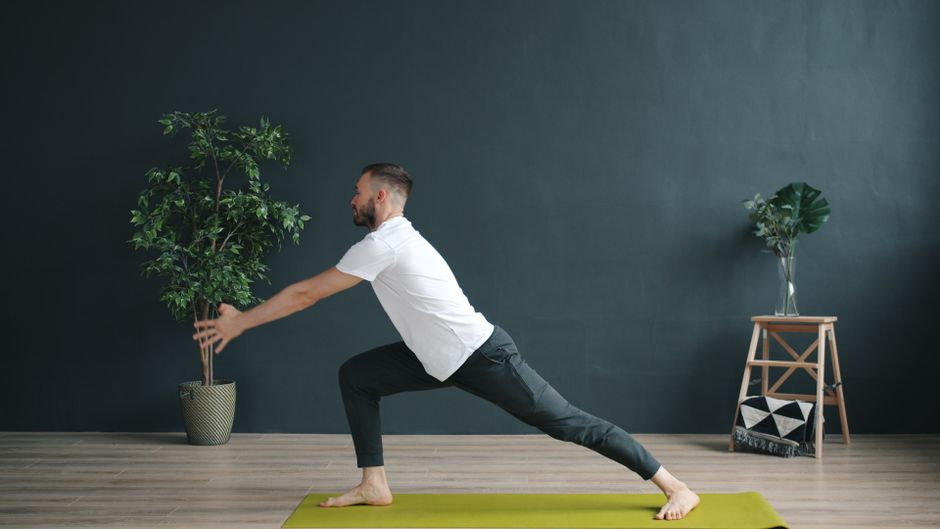
Tracing the lineage of these traditions requires moving away from the assumption of a single, unbroken method handed down unchanged through the millennia. Instead, historians and scholars of religion describe a mosaic of ascetic practices, meditative disciplines, and philosophical texts that evolved over thousands of years. Far from being a universal system of physical conditioning, early traditions emerged within varied religious and philosophical contexts, prioritising mental restraint, spiritual liberation, and cosmological understanding over physical flexibility or cardiovascular health.
The Earliest Textual Traces and Ascetic Roots
The foundational roots of these traditions begin to surface in early Vedic literature, though the term itself carried connotations quite distant from modern usage. In texts such as the Rigveda, the word often related to the harnessing of horses or the joining of a chariot, gradually expanding to metaphorically describe the disciplining of the mind or senses. These early references point toward an intellectual and spiritual culture that valued concentration and inward focus, though they predated the formalized systems of posture that define contemporary studio classes.
By the middle of the first millennium BCE, the Indian subcontinent witnessed a profound flourishing of ascetic movements. Wanderers and seekers known as shramanas rejected conventional ritualism in search of liberation from the cycle of rebirth. Within these ascetic circles, rigorous mental control, breath regulation, and prolonged fasting or motionless meditation became primary methods for transcending the ordinary self. These practices were recorded and debated across diverse philosophical traditions, including early Buddhism, Jainism, and emergent Hindu philosophies, demonstrating that disciplined self-restraint was a shared cultural idiom rather than the monopoly of any single school.
The Compilation of Philosophical FrameworksAs these oral traditions coalesced into written treatises, distinct philosophical systems began to take formal shape. Among the most influential milestones in this textual history is the compilation of the Yoga Sutras, traditionally attributed to the sage Patanjali. Scholars generally date this work to the early centuries of the common era, though its exact chronology remains a subject of ongoing academic inquiry. Rather than a manual for physical fitness, Patanjali’s work presented a psychological and metaphysical framework aimed at stilling the fluctuations of the mind.
Within this classical framework, physical posture occupied a remarkably modest role. The text famously defines the practice primarily through mental stability and ethical observances, mentioning bodily positioning largely as a means to achieve a steady seat for prolonged meditation. To read these classical aphorisms as a guide to physical exercise is to misinterpret their historical intent entirely. The primary concern was the untangling of consciousness from worldly illusion, an endeavor that often mirrored broader discussions found in various cultural explorations of identity and human interiority, much like how Jungian psychology examines the layers of the modern psyche through symbolic frameworks rather than physical prescriptions.
The Evolution of Physical Postures and Tantric TraditionsThe emphasis on physical postures, or asanas, underwent a significant transformation during the medieval period with the rise of Hatha traditions and various esoteric movements. Tantric and Hatha texts from roughly the second millennium CE began to view the physical body not as an obstacle to be transcended or neglected, but as a subtle instrument capable of harboring divine energy and achieving bodily immortality or liberation.
These medieval texts detailed complex corporeal disciplines, breath control techniques, and cleansing practices designed to manipulate vital energies within the subtle anatomy. However, these methods were often secretive, demanding, and far removed from the accessible, health-oriented group classes recognized today. They were practiced by dedicated renunciates within specific monastic or ascetic lineages, rather than integrated into the daily routines of householders seeking relaxation from demanding modern schedules, distinguishing them sharply from the evolution of modern lifestyle terms that frame self-care as consumer-accessible wellness today.
Encounter with the West and the Birth of Modern Postural PracticeThe transformation of these varied internal traditions into the global physical culture seen today accelerated during the late nineteenth and early twentieth centuries. This period involved a complex cross-cultural dialogue between Indian reformers, nationalist thinkers, and Western physical culture enthusiasts. Figures such as Swami Vivekananda introduced Indian philosophies to Western audiences, focusing primarily on mental philosophy and spiritual unity rather than physical postures.
In the decades that followed, physical practitioners in India synthesized traditional Hatha techniques with European gymnastics, British calisthenics, and modern medical gymnastics. This dynamic fusion created a new genre of physical culture that prioritized health, strength, and posture. Prominent teachers established schools that trained instructors and disseminated these physical sequences internationally. Consequently, what many contemporary practitioners experience as an ancient heritage is, in structural terms, a twentieth-century reinvention designed to promote vitality and physical wellbeing in an industrialized world.
Recognizing this rich and complex history helps contextualize contemporary practices without diminishing their personal value for millions of practitioners. Viewing these traditions through a historical lens allows for a deeper appreciation of the cultural landscapes from which they arose—distinguishing the philosophical quests of ancient ascetics from the contemporary pursuit of physical fitness and stress reduction. Readers interested in exploring these historical intersections further or sharing thoughts on cultural evolution are welcome to get in touch with our editorial team.