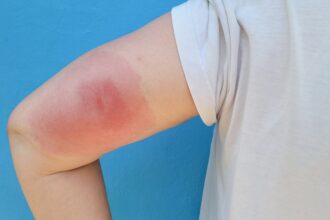



Cloudy weather does not automatically mean ultraviolet (UV) exposure is too low to damage skin. You can still burn in the UK on overcast days, so visible sunshine is not a reliable guide to whether sun protection is needed.
The more useful measure is the UV index. NHS guidance advises considering skin protection when the UV index is 3 or higher. In the UK, the strongest sun is typically between 11am and 3pm from March to October.
Sun protection should not rely on sunscreen alone. Shade, clothing, hats and sunglasses all reduce exposure. Where sunscreen is needed, NHS guidance recommends at least SPF 30 for UVB protection together with good UVA protection, and it should be applied generously and reapplied as directed.
This does not mean everyone needs to apply sunscreen automatically every day of the year regardless of UV conditions. The level of protection needed depends on UV intensity, how long someone will be outdoors, skin sensitivity and factors such as altitude, reflective surfaces and travel to sunnier climates.
Sunburn increases the risk of skin cancer, so avoiding burning is the central aim. Checking the UV index can help people make proportionate decisions even when the sky looks grey.