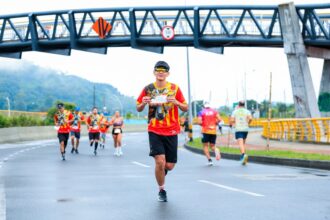

As organised sport expanded in the late nineteenth and early twentieth centuries, physiologists gained new opportunities to study people performing at unusually high levels of endurance, speed and strength. Elite athletes became one part of a wider effort to measure how the body responds to exercise.
From observation to measurement
Researchers increasingly used tools that could measure breathing, heart rate, blood chemistry and energy expenditure. Laboratories devoted to fatigue and exercise physiology helped move the subject away from broad assumptions about stamina and character toward measurable physiological responses.
Athletes were useful research participants because competition and training created repeatable examples of sustained or intense physical effort. But early studies were often small, overwhelmingly male and limited by the measurement technology of their time.
What those studies could not tell us
Findings in elite athletes cannot automatically be applied to the general population. Competitive athletes differ in training history, selection, health status and physical capacity. Modern public-health activity guidance therefore comes from a much broader evidence base than studies of elite performance.
The historical importance of athlete research lies in the development of exercise physiology as a measurable scientific field—not in the idea that elite training provides a blueprint for everyday health.