

London Health JournalLondon Health JournalLondon Health Journal
  • Home
  • Health News
  • Wellness
  • Research
  • Fitness & Movement
  • Mental Health
  • Nutrition
  • Interviews
Font ResizerAa
London Health JournalLondon Health Journal
Font ResizerAa
  • Home
  • Health News
  • Wellness
  • Research
  • Fitness & Movement
  • Mental Health
  • Nutrition
  • Interviews
Search
  • Home
  • Health News
  • Wellness
  • Research
  • Fitness & Movement
  • Mental Health
  • Nutrition
  • Interviews
Home » Why Organised Walking Grew in Victorian Britain
Fitness & Movement

Why Organised Walking Grew in Victorian Britain

Marcus Iwu
By Marcus Iwu
22 July 2026
Why Walking Clubs Became Popular in Victorian Britain
SHARE

Organised walking became more visible in nineteenth-century Britain as cities expanded, rail travel widened access to the countryside and ideas about leisure, recreation and access to land changed. The story is broader than a simple Victorian desire to escape smoky cities for better health.
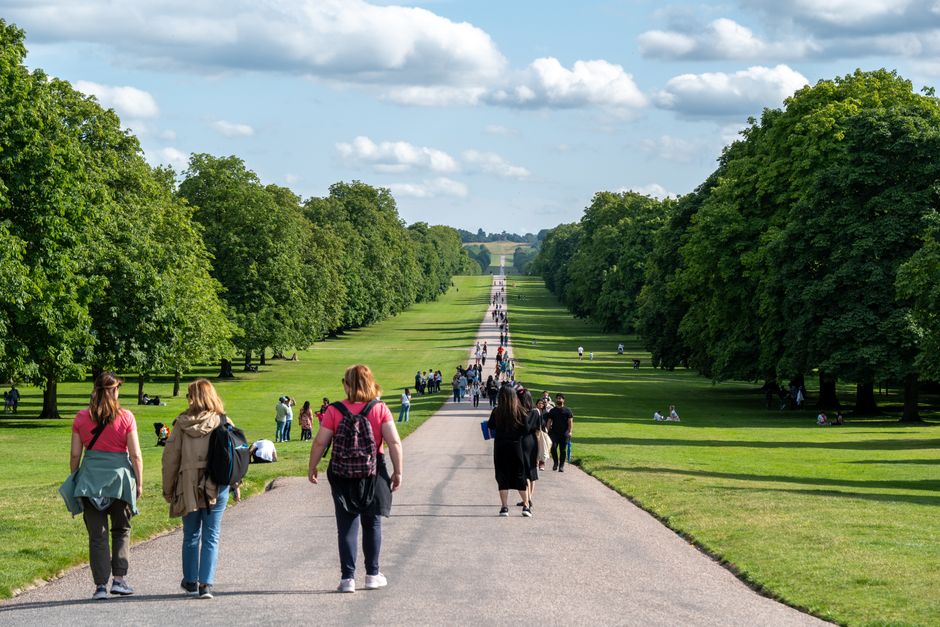
Why Walking Clubs Became Popular in Victorian Britain

Railways changed where people could walk

Expanding rail networks made day trips and longer excursions more practical for some urban residents. Access was still shaped by income, working hours, gender and geography, but the countryside became reachable to a wider range of organised groups than before.

Leisure time mattered

Changes in working patterns, including the spread of the Saturday half-holiday in some industries, created new opportunities for organised recreation. Walking societies, excursion clubs and later rambling organisations combined sociability with exploration and, in some cases, campaigns over public access.

Health language was part of the culture — but not modern exercise science

Victorian writers often praised fresh air, constitutional strength and outdoor activity. Those claims reflected the medical and moral language of their period. It would be anachronistic to present them as evidence that walking clubs were designed according to modern cardiovascular or mental-health science.

The countryside was not a class-free space

Walking could create social contact across existing boundaries, but trails did not erase class distinctions. Access to equipment, transport and leisure time remained unequal, and conflicts over private land became part of the later history of rambling and rights of way.

Organised walking is best understood as a mixture of recreation, transport change, social life and emerging access politics. This is a historical article and does not provide exercise guidance.


Share This Article
Facebook Copy Link Print
ByMarcus Iwu
Marcus competed as a club-level sprinter through his twenties before a recurring injury pushed him toward coaching, and eventually toward writing about the science behind movement rather than just doing it. He spent three years working as a strength and conditioning assistant before moving into health journalism. His writing sits at the intersection of fitness culture and public health guidance — he is particularly interested in where popular fitness trends align with evidence and where they diverge from it. He lives in Birmingham, still trains most days out of habit more than ambition, and has strong but generally unwelcome opinions about stretching.

Fast Four Quiz: Precision Medicine in Cancer

How much do you know about precision medicine in cancer? Test your knowledge with this quick quiz.
Get Started
NHS Rolls Out One-Minute Pembrolizumab Injection for Eligible Cancer Patients

NHS England is rolling out a subcutaneous form of pembrolizumab that can…

Tinnitus: What It Is, What Can Help and When to Seek Advice

Tinnitus is the perception of sound without an external source. Management depends…

Martha’s Rule: How Escalation Calls Support Patient Safety

Martha’s Rule gives patients, families and staff routes to request urgent review…

You Might Also Like

Why Walking Became Britain's Most Popular Form of Exercise
Fitness & Movement

Why Walking Became Britain’s Most Popular Form of Exercise

By Marcus Iwu
The Truth About Running and Your Knees
Fitness & Movement

Does Running Damage Your Knees? What the Evidence Actually Shows

By Amelia Hart
Why Martial Arts Deserves a Place in Your Weekly Workout
Fitness & Movement

Martial Arts as Exercise: Benefits, Risks and What the Evidence Can Support

By Sophie Mercer
The Ancient Origins of Exercise Science From Hippocrates to Today
Fitness & Movement

How Ancient Medicine Thought About Exercise and Health

By Marcus Iwu
London Health Journal Logo Dark London Health Journal Logo Dark

Our mission is to make health information more accessible, balanced, and easier to understand for everyday readers. We focus on evidence-informed reporting, emerging research, lifestyle trends, and practical wellness topics that shape modern life.

Company
  • About Us
  • Contact Us
  • Corrections Policy
  • Editorial Policy
  • Fact-Checking Policy
  • Medical Disclaimer
  • Privacy Policy
Quick Links
  • Fitness & Movement
  • Health News
  • Interviews
  • Mental Health
  • Nutrition
  • Research
  • Wellness

All rights reserved © 2026 | London Health Journal 

Welcome Back!

Sign in to your account

Username or Email Address
Password

Lost your password?