


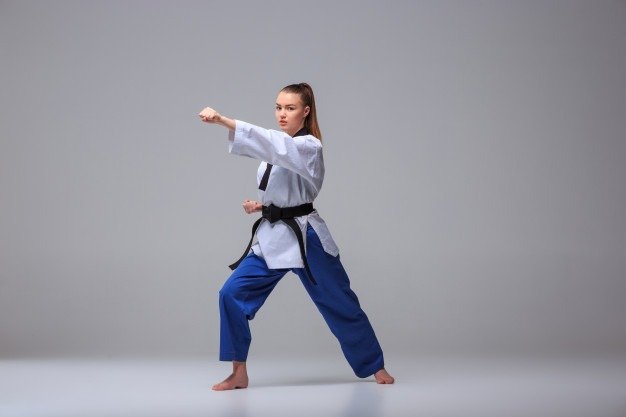
Martial arts can provide a varied form of physical activity, combining aerobic work, strength, balance, coordination and skill learning. The exact demands differ widely between activities such as karate, taekwondo, judo, boxing and Brazilian jiu-jitsu, so broad claims about “martial arts” should be treated cautiously.
Regular participation may improve fitness and motor skills, but the evidence does not support promising that martial arts will automatically protect joints, prevent injury or produce rapid mental-health benefits. Contact level, training volume, coaching quality and previous injuries all influence risk.
Some people value the concentration, routine and social structure of classes. Exercise in general can support mental wellbeing, but describing martial arts as a form of therapy or “moving meditation” overstates what can be concluded for any individual.
Beginners benefit from choosing a qualified instructor, learning technique before increasing intensity and using appropriate protective equipment for contact disciplines. People with significant medical conditions or previous injuries may wish to discuss participation with an appropriate healthcare professional.
The most sustainable activity is usually one that is safe, accessible and enjoyable enough to continue. Martial arts can meet that description for many people, but it is one option among many rather than a uniquely superior workout.