

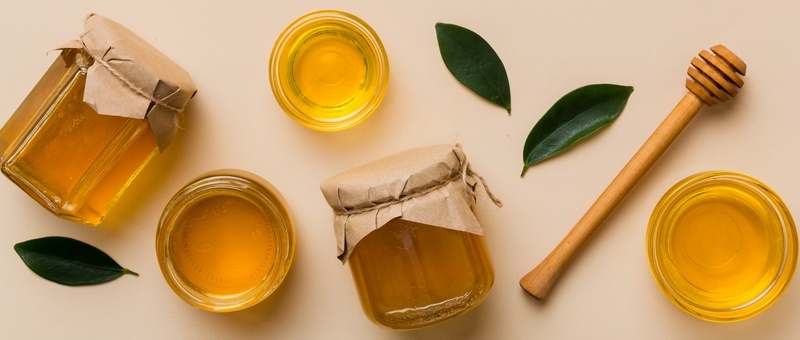
Honey, a natural sweetener cherished by humans for millennia, is experiencing a renewed interest in the wellness and fitness communities. Historically valued for its energy-giving properties, it is now being discussed among health-conscious individuals and on social media as a potentially effective natural fuel for workouts, offering an alternative to more processed supplements.

For thousands of years, civilizations across the globe have recognised honey not just as a delicious addition to food, but also as a sustained energy source. Its natural composition, primarily a blend of fructose and glucose, provided essential fuel for physical labour and endurance activities long before modern sports nutrition was conceived. This ancient understanding of honey’s benefits is finding resonance in contemporary wellness trends.
In recent times, as more people seek natural and less processed options for their diet and lifestyle, honey has emerged as a subject of discussion regarding exercise performance. Social media platforms, in particular, have seen a rise in users advocating for honey as a pre-workout snack, citing personal experiences of boosted energy and improved stamina during their routines. This resurgence aligns with a broader movement towards whole foods and natural ingredients in daily health practices.
From a nutritional standpoint, honey provides readily available carbohydrates, which are crucial for powering muscle activity during exercise. Both glucose and fructose are absorbed and utilised by the body, though at different rates, offering a combination of immediate and slightly more sustained energy. While it offers a simple form of energy, it’s important to remember that honey is primarily sugar and should be consumed as part of a balanced diet. For those engaging in regular physical activity, understanding various fuel sources is key, whether it’s powering through a gym session or preparing for activities like running.
As interest in natural performance aids continues to grow, honey is likely to remain a talking point. While personal anecdotes are abundant, further focused research could provide deeper insights into its optimal use and benefits for different types of physical activity and individual needs. This ongoing discussion reflects a broader trend in health and wellness towards exploring the potential of traditional foods in modern contexts.