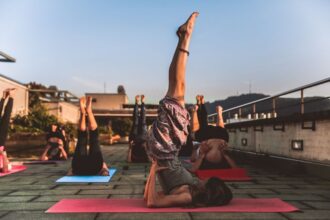



When walking into a modern studio, complete with dim ambient lighting, eucalyptus-scented air, and rows of matching mats, it is easy to assume this scene represents an unbroken continuation of ancient traditions. Yet the physical practice filling contemporary class schedules is a relatively recent synthesis. Understanding how a philosophical and meditative tradition from South Asia evolved into a cornerstone of Western wellness requires looking closely at the nineteenth and twentieth centuries, a period marked by translation, physical culture reform movements, and transnational exchange.
Rather than a simple story of East meeting West, the journey of yoga involves active reinvention, adaptation to Western anatomical ideas, and commercialisation. To appreciate this transformation, it helps to examine the early history of yoga before modern wellness culture, where asceticism, breath regulation, and mental discipline held primary importance, differing significantly from the contemporary emphasis on flexibility and physical conditioning.
During the nineteenth century, early translations of Sanskrit texts began circulating among European scholars and intellectuals. Figures associated with transcendentalism in the United States, such as Ralph Waldo Emerson and Henry David Thoreau, encountered philosophical texts like the Bhagavad Gita. However, their interest remained largely cerebral and literary. Yoga was viewed as an abstract philosophy or metaphysical system rather than something practiced physically on a mat. The bodily postures, or asanas, that define contemporary classes were rarely performed by Westerners during this initial phase of academic and philosophical discovery.
The landscape shifted dramatically toward the late nineteenth and early twentieth centuries as transnational teachers began traveling to Western nations. Swami Vivekananda’s address at the Parliament of Religions in Chicago in 1893 marked a pivotal moment. Vivekananda focused heavily on Raja Yoga, emphasising mental control, meditation, and philosophy, while largely downplaying the complex physical postures found in later Hatha traditions, which some Victorian-era sensibilities viewed with skepticism or moral concern.
As the twentieth century progressed, however, physical culture movements in both India and the West began to intersect. In India, traditional physical culture merged with modern gymnastics, Western bodybuilding, and military drill to create a revitalised system of physical conditioning. Teachers such as T. Krishnamacharya, working in Mysore during the 1920s and 1930s, adapted traditional asanas to appeal to young, athletic Indian men and British colonists alike. This dynamic environment birthed a more dynamic, flowing style of physical practice designed to build strength, agility, and health.
Transnational students who travelled to study with these pioneering teachers subsequently brought these physical systems back to Europe and North America. They stripped away many of the specific cultural and religious contexts, reinterpreting the practice through the lens of Western anatomy, hygiene, and physical fitness. Over successive decades, this translation process accelerated, transforming an ascetic discipline into an accessible lifestyle offering.
The Shift Toward Commercialisation and Lifestyle Brands

By the latter half of the twentieth century, the mainstreaming of alternative health concepts created fertile ground for further evolution. As societal interest in stress reduction, preventive health, and holistic living expanded, the terminology surrounding everyday health shifted. The broader cultural phenomenon of lifestyle branding began to encompass physical disciplines that promised both mental calm and physical vitality. This commercial trajectory mirrors how many contemporary concepts evolved, much like how the history of the word wellness reflects changing societal aspirations around longevity and self-care.
As studios multiplied across urban centres, the practice was increasingly marketed as a remedy for the pressures of industrial and post-industrial life. Advertising and media framing often presented classes not merely as exercise, but as a holistic solution for modern ailments, from chronic stress to sedentary lifestyle impacts. This packaging aligned neatly with the emerging multi-billion-dollar wellness industry, where specialised apparel, branded equipment, and immersive retreats became standard markers of participation.
Importantly, historians and cultural critics note that this commercialisation often obscured the rich, diverse heritage of South Asian philosophies. The Yoga Sutras of Patanjali, frequently cited in teacher trainings and studio manuals, were historically designed as a manual for mental concentration and spiritual liberation, not as a therapeutic or medical intervention. Treating classical texts as direct evidence for modern physiological outcomes overlooks centuries of historical distance and cultural translation.
Evidence, Adaptation, and Individual Variability
In contemporary discussions, physical practices derived from Hatha traditions are frequently evaluated through a clinical lens. Researchers study their potential impacts on flexibility, balance, and perceived stress. While systematic reviews suggest that regular participation in gentle stretching and breath-focused movement may support mobility and mental well-being for certain populations, researchers caution against treating these activities as universal cures or guaranteed treatments for specific medical conditions.
Nutritional status, baseline fitness, and individual health histories all influence how any physical discipline is experienced. Just as dietary requirements vary from person to person, physical capacity differs widely. Readers considering new exercise regimens or managing specific health conditions are always encouraged to consult a qualified healthcare professional or clinical specialist to ensure choices align safely with personal health needs.
Furthermore, recognising the multifaceted roots of modern physical culture helps maintain cultural respect. Acknowledging that contemporary studio practices are a product of twentieth-century transnational exchange allows practitioners to engage with the discipline thoughtfully. It separates historical realities from modern marketing narratives, honouring the diverse contributions of both Eastern teachers and Western reformers who shaped the global landscape.
Navigating the Modern Studio Culture
Today, the global presence of studio culture spans continents, encompassing everything from high-intensity fitness classes to restorative, meditative sessions. This diversity reflects its long history of adaptation. Rather than adhering to a single fixed template, the practice continues to morph in response to contemporary demands, technological integrations, and fitness trends.
For those navigating this landscape, approaching classes with historical awareness can enrich the experience. Understanding that a Friday evening vinyasa class is a modern cultural artefact—rather than an ancient ritual preserved unchanged across millennia—allows for a more grounded relationship with physical wellness. It invites participants to appreciate movement and breath-work for what they genuinely offer today: accessible tools for bodily awareness, relaxation, and personal reflection.
As the wellness landscape continues to shift, examining the origins of our daily routines reminds us of the power of cultural exchange. Every trend has a backstory rooted in specific historical moments, economic shifts, and cross-cultural dialogues. To explore further aspects of modern health culture and historical shifts in wellness, you are welcome to reach out via our contact page.