
Across the United Kingdom, the sight of people walking has become as ubiquitous as the changing weather. While high-intensity interval training and boutique fitness studios often dominate social media feeds, the most popular form of physical activity in Britain remains refreshingly simple. Recent data suggests that walking now occupies the top spot in the nation’s exercise hierarchy, surpassing traditional gym-based activities and competitive sports. This shift is not merely a reaction to global events but a reflection of a growing societal preference for movement that integrates seamlessly into daily life.
The rise of walking is a nuanced story, involving a blend of accessibility, shifting cultural priorities, and a collective move away from the rigid structures that once defined gym culture. For decades, the fitness industry focused on the concept of ‘training’—a discrete, time-bound activity performed in a specific location. Walking, by contrast, resists the constraints of memberships, specialised equipment, and strict scheduling, offering a level of autonomy that many modern Britons find increasingly appealing.
The Accessibility Advantage
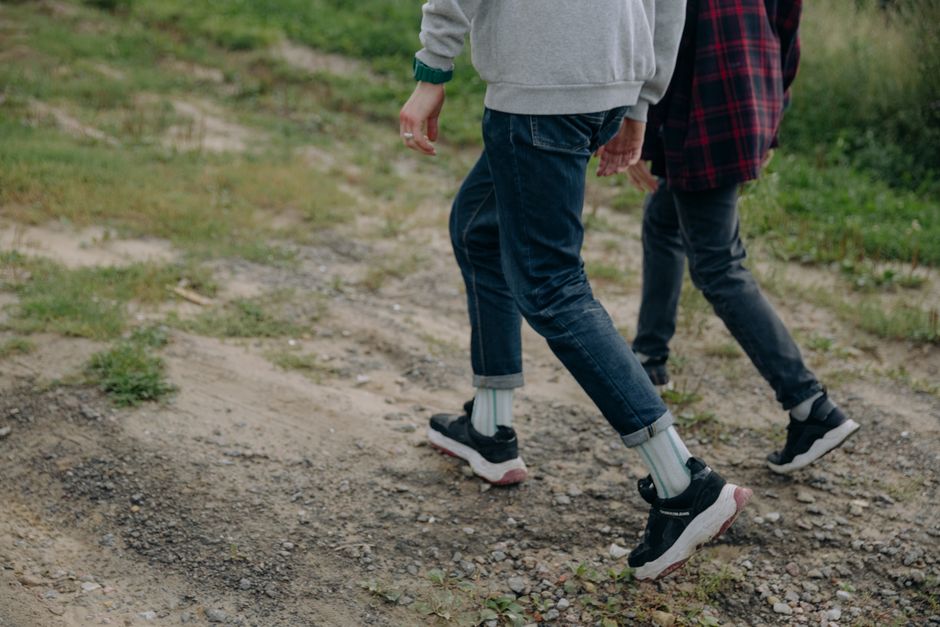
One of the primary drivers behind the popularity of walking is its low barrier to entry. Unlike other forms of exercise that require financial investment in footwear, clothing, or facility fees, walking is largely egalitarian. In a period marked by economic uncertainty and the rising cost of living, activities that do not require recurring subscriptions have gained significant momentum. Furthermore, the UK’s dense urban infrastructure and extensive network of public footpaths—from the Peak District to coastal trails—provide a ready-made canvas for this movement.
From a psychological perspective, walking offers an immediate departure from the stressors of digital life. Whereas a session in a busy weight room might require a specific headspace and mental focus, walking is often viewed as a meditative or restorative practice. It does not require the same “performance” mindset, which may be one reason why it has found such a wide demographic appeal, spanning generations from students to retirees. The simplicity of the act allows for cognitive downtime, a commodity that is increasingly rare in our connected society.
The Evolution of Fitness Priorities
There has been a subtle but distinct pivot in how people perceive physical health. While aesthetics were once a primary driver for exercise, recent years have seen a sharper focus on longevity, mental well-being, and hormonal health. We are seeing a move away from intense, often exhausting routines toward activities that support metabolic health without overtaxing the body. This is particularly relevant when considering mid-life weight redistribution, where the focus shifts toward consistent, low-impact movement that can be sustained over years rather than weeks.
Walking occupies a unique space in this landscape. It is widely recognised by public health bodies as an effective way to improve cardiovascular markers without the musculoskeletal wear and tear associated with high-impact sports. It is often the first recommendation for those looking to reintroduce movement into their lives after a period of inactivity. By removing the fear of injury and the intimidation of a gym environment, walking allows people to build a foundational level of fitness that serves as a base for overall health.
Infrastructure and the Built Environment
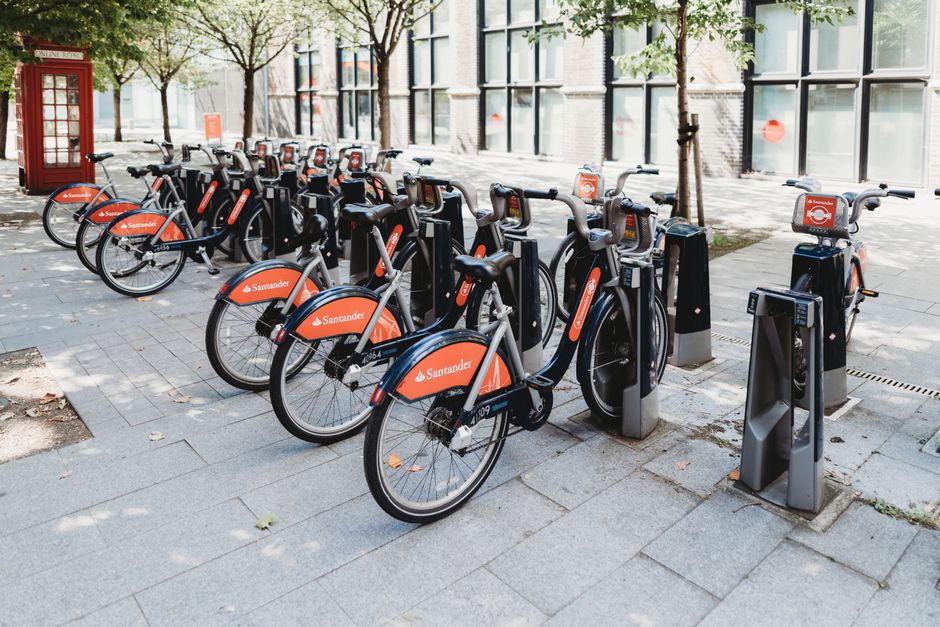
The popularity of walking is also intrinsically linked to how Britain manages its public spaces. Urban planning initiatives across the UK have increasingly prioritised pedestrian-friendly environments. From the introduction of low-traffic neighbourhoods to the expansion of urban parklands, there is an ongoing effort to make walking a viable alternative to motorised transport for short journeys. This ‘active travel’ movement has effectively blurred the line between exercise and commuting.
When an activity becomes a functional part of one’s day—a trip to the shops or a walk to the train station—it is far more likely to be maintained than an exercise routine that exists in a vacuum. The UK’s commitment to preserving green spaces, despite ongoing development, ensures that walking remains an aesthetically pleasant experience. This environmental factor plays a significant role in why walking has maintained its top position; it is a movement that rewards the practitioner with more than just physical exertion.
Social and Cultural Integration
Beyond the physical benefits, walking has evolved into a social activity. The emergence of walking clubs and community meet-ups has turned a solitary pursuit into an opportunity for connection. In an era where digital isolation is a frequent topic of conversation, the physical act of walking alongside others provides a rare, analogue social interaction. It is a shared rhythm, a conversation-friendly pace, and a way to engage with the local community.
The rise of wearable technology has also contributed to the trend, albeit indirectly. While the initial obsession with ‘counting steps’ was once viewed as a gimmick, it has helped normalise the tracking of non-exercise activity thermogenesis (NEAT). By providing tangible data, these devices have helped people visualise how small, incremental movements add up to significant health benefits over time. It has turned the act of walking into a measurable accomplishment, providing a sense of progress that many find motivating.
Ultimately, walking has become Britain’s most popular form of exercise because it aligns with a modern desire for freedom and consistency. It is not hampered by the need for perfection or the pressure to achieve specific aesthetic targets. Instead, it offers a sustainable approach to physical movement that fits the realities of contemporary life. As people continue to look for ways to balance health with the demands of their daily schedules, the simple act of putting one foot in front of the other is likely to remain the nation’s preferred way to move. To explore more about how we integrate movement into our daily routines, feel free to reach out to us for further insights.