


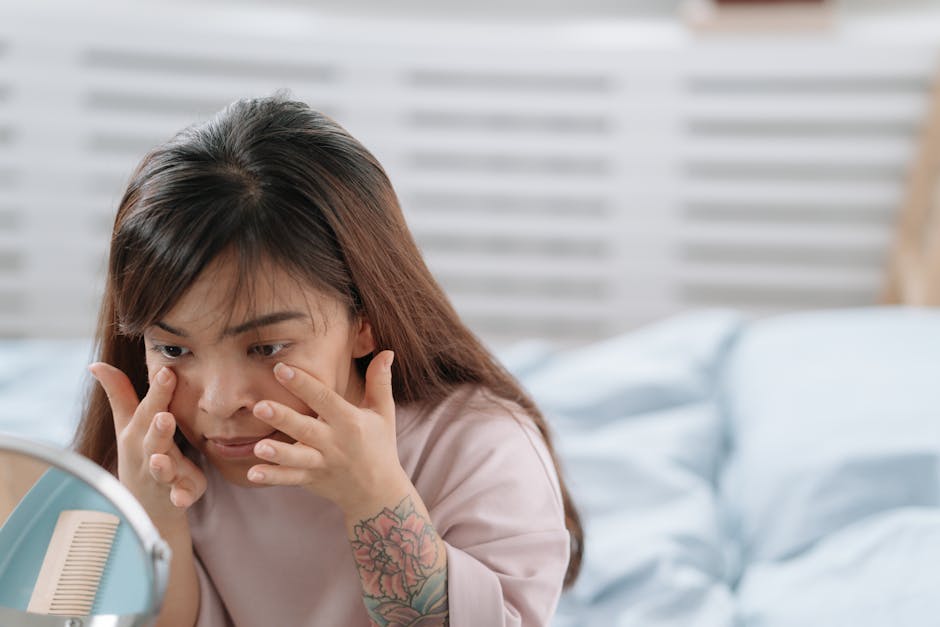
The market for children’s skincare products is experiencing a notable surge, largely propelled by the pervasive influence of social media platforms. This burgeoning trend has ignited discussions among health and wellness experts, who are increasingly vocal about the potential long-term psychological and physical ramifications for young girls developing extensive skincare routines.
Driven by influencers and online communities, younger demographics are being exposed to and encouraged to adopt sophisticated skincare regimens, often mirroring those of adults. While self-care and personal grooming can be positive, the intensity and age-appropriateness of some of these trends are prompting questions about their overall impact on adolescent development and body image.
The Social Media Influence

Social media platforms have become powerful engines for beauty trends, and skincare is no exception. Videos showcasing elaborate routines, “holy grail” products, and aspirational aesthetics are readily accessible to children and pre-teens. This constant stream of content can create a perception that complex skincare is a necessity, rather than an option, for achieving ideal skin.
Experts are observing that this environment can foster unrealistic expectations about skin perfection, potentially leading to anxiety and dissatisfaction among young girls whose skin is naturally still developing. The emphasis on preventing future signs of ageing or correcting perceived flaws at such a young age may shift focus away from a healthy, natural approach to self-image.
Expert Concerns Over “Cosmeticorexia”
A specific concern emerging from this trend is what some experts are terming “cosmeticorexia”—an obsessive focus on skincare products and routines. This can manifest as compulsive purchasing, extensive research into ingredients, and a preoccupation with perceived skin imperfections.
Beyond the psychological toll, there are also physical considerations. Many products marketed to adults contain active ingredients such as retinoids, strong acids, or potent antioxidants that are not typically necessary or even advisable for young, developing skin. Overuse or misuse of these products can compromise the skin barrier, leading to irritation, sensitivity, or other dermatological issues. Addressing these kinds of early-onset psychological pressures is becoming increasingly important for mental health support for women and young girls.
Fostering a Balanced Approach
As this trend continues to grow, there’s a growing call for a more balanced perspective. Parents, educators, and the industry itself are encouraged to promote healthy attitudes towards self-care and body image, emphasising protection and basic hygiene over complex treatments for young skin. The discussion also highlights the importance of general wellbeing and critical media literacy to help young people navigate online beauty narratives.
The evolving landscape of youth culture and commercial pressures around beauty products requires ongoing attention. Future discussions will likely focus on educational initiatives for children and parents, and the potential for clearer guidance from dermatological and psychological professionals, to ensure that engagement with skincare remains a healthy, empowering practice rather than a source of distress.