For many of us, the weekly fitness routine can start to feel like a loop – the same runs, the same gym machines, the same yoga flows. While consistency is valuable, there is a growing case for adding variety that challenges both the body and the mind. Martial arts, once seen as a niche pursuit, is increasingly being recognised as a well-rounded form of exercise that offers benefits far beyond self-defence.
Physical conditioning with a purpose
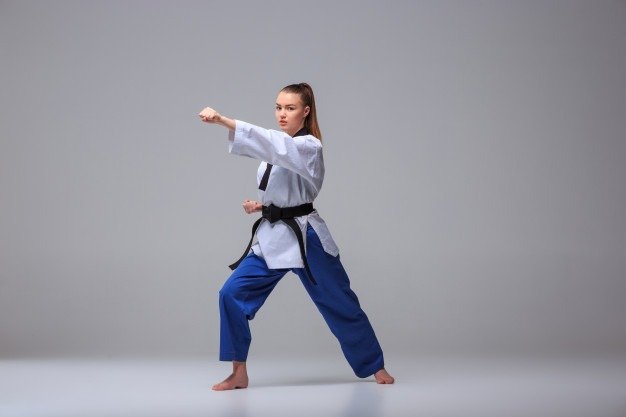
Unlike traditional resistance training that isolates muscle groups, martial arts movements engage the entire body in dynamic, functional patterns. Kicking, punching, and grappling involve coordination, balance, and explosive power. Many practitioners report improvements in cardiovascular endurance, flexibility, and core strength within weeks. The varied pace of training – from slow, controlled drills to high-intensity sparring – also keeps the body guessing, which can help avoid the plateaus common in more repetitive workouts.
For those concerned about joint health, martial arts can actually promote stability. The controlled movements strengthen the supporting muscles around the knees and hips, which may reduce the risk of injury in everyday life. As with any physical activity, proper technique is essential, and beginners are encouraged to start with a qualified instructor who can guide safe progression.
Mental clarity and stress regulation
One of the most compelling reasons to explore martial arts is its impact on mental well-being. The focus required to learn a new technique or to respond in a sparing drill acts as a form of moving meditation. Many long-time practitioners describe it as a way to “reset” the mind after a stressful day. The structured environment – with clear ranks, protocols, and respect for partners – also provides a sense of belonging and discipline that can be grounding.
This mental dimension aligns with broader wellness trends that recognise the connection between physical activity and emotional health. Research has long supported the idea that regular exercise can help manage anxiety and improve mood, and martial arts offers a particularly engaging way to access those benefits.
Getting started without overthinking
You do not need to be exceptionally fit or flexible to begin. Most martial arts schools welcome beginners of all ages and fitness levels. Many offer trial classes where you can experience different styles – from the striking-focused Muay Thai to the grappling-heavy Brazilian Jiu-Jitsu – before committing. As with any new exercise regimen, it is wise to listen to your body and build intensity gradually.
For those already active, martial arts can complement other pursuits. Runners, for instance, often find that the lateral movements and agility drills fill a gap left by linear running. Similarly, understanding how to fuel your body before and after training – much like any endurance activity – can enhance performance. A balanced approach to nutrition and recovery, as explored in discussions about traditional energy sources for exercise, is just as relevant here.
And just as we learn to look after our joints in activities like running – something covered in our piece on the truth about running and your knees – martial arts also requires attention to proper technique and recovery to avoid common injuries like tennis elbow. Guidance on treating elbow strain can be useful for those who experience it, particularly in striking sports.
A sustainable shift in fitness culture
What makes martial arts stand out is that it rarely feels like a chore. Because the skills take time to develop and the learning never ends, motivation tends to stay high. Many practitioners find themselves looking forward to class rather than forcing themselves through it. That intrinsic enjoyment is perhaps the best predictor of long-term adherence to any fitness routine.
As the fitness industry continues to move toward holistic health, martial arts is carving out a natural place – not as a replacement for other activities, but as a powerful addition that trains the body, calms the mind, and builds community.