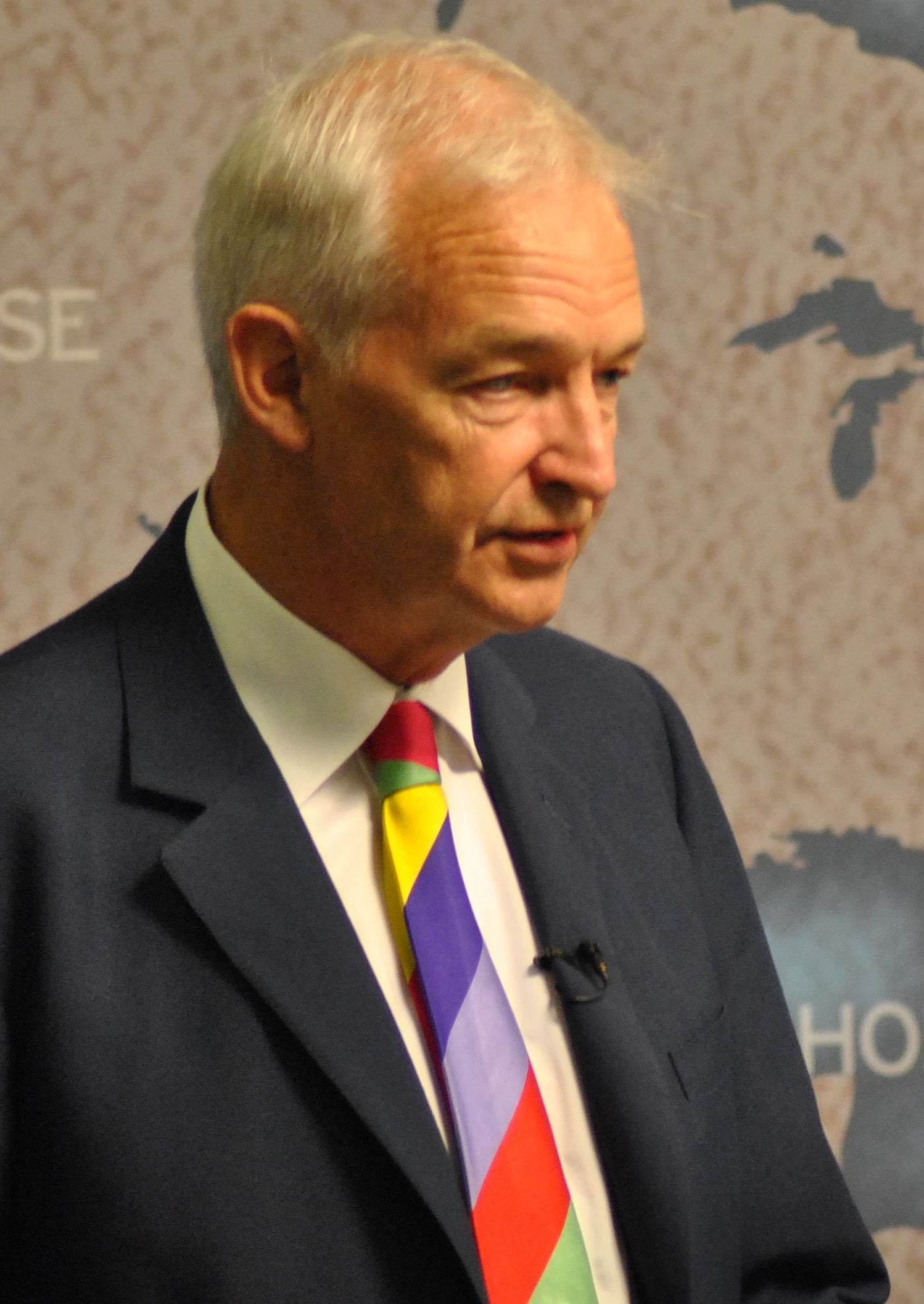
Former Channel 4 News anchor Jon Snow has announced he has been diagnosed with Alzheimer’s disease, the most prevalent form of dementia. The veteran journalist, who retired from his long-standing role in December 2021, will discuss his diagnosis publicly in a new investigative documentary set to be broadcast on Channel 4 on June 20. This disclosure aims to shed light on the condition and contribute to public understanding.
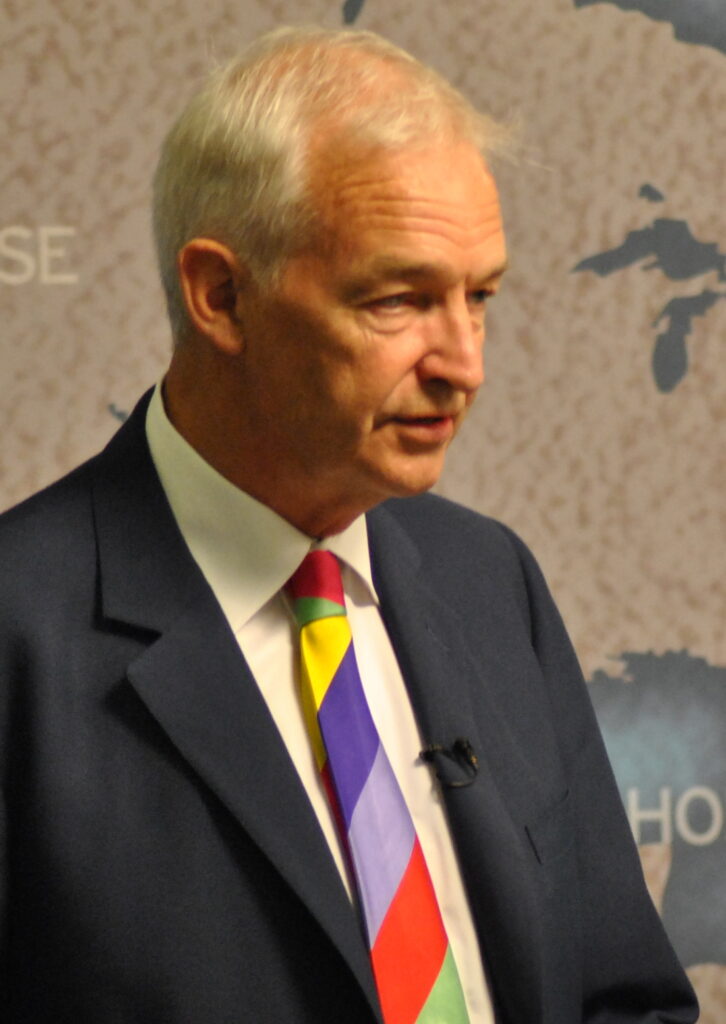
The Alzheimer’s Society confirmed Snow’s diagnosis, highlighting the personal journey he is undertaking while drawing attention to a condition that affects millions globally. Alzheimer’s disease is a progressive neurological disorder that gradually impairs memory, thinking skills, and eventually, the ability to carry out simple tasks. Public figures openly sharing their experiences often play a significant role in destigmatising such health challenges and encouraging broader conversations.
Snow’s participation in the documentary offers a unique perspective on living with Alzheimer’s, providing insights into its impact on individuals and families. Such personal accounts are crucial in fostering empathy and awareness, moving beyond clinical definitions to the lived experience of the disease. The programme is expected to explore aspects of the condition and the broader challenges faced by those diagnosed and their carers.
The announcement comes amidst ongoing efforts in medical research to improve the detection and treatment of neurodegenerative diseases. Advances in technology, such as AI-powered movement analysis, are showing promise in revolutionising early detection for conditions like Parkinson’s, and similar research pathways are being explored for Alzheimer’s. Early and accurate diagnosis remains a critical area of focus for improving patient outcomes.
As the documentary approaches its broadcast date, it is anticipated to spark further discussion around dementia care, support systems, and the importance of continued research funding. Organisations like the Alzheimer’s Society continue to advocate for enhanced support for individuals living with dementia and their families, alongside driving forward scientific advancements. Looking ahead, new diagnostic tools, such as novel blood test methods, are continuously being explored for their potential to predict disease trajectories and treatment response across various complex conditions.